

The real cost of waiting to modernise your lifts

Author
Chloé
Audibert
Date
29/10/2026
Time
8 min read
Share


The "it still works" trap
A lift that runs every day feels like proof that it does not need attention. Facilities managers often delay modernisation for this reason alone: the equipment still moves people between floors, so why spend money changing it?
This logic misses how ageing equipment behaves. A lift does not fail all at once. It degrades slowly, in ways that are easy to miss day to day but add up over years. By the time a breakdown forces the decision, the building has already been paying a hidden bill: higher energy use, more frequent repairs, a lower asset value, and growing exposure to compliance rules that older equipment struggles to meet.
Waiting is not free. It is a cost that stays off the maintenance budget until it becomes unavoidable.
Where the hidden costs accumulate
These costs rarely appear on a single invoice. They build up across four separate areas, which is exactly why the total impact is easy to underestimate until it is added up in full.

Energy consumption of ageing systems
Older lift systems were not built for the energy standards buildings are now expected to meet. Motors, drives, and control systems lose efficiency as they age, and older technology generally uses more energy to do the same job than current equipment. This shows up as a running cost that grows quietly, spread across electricity bills rather than one line item, which makes it easy to overlook when comparing "keep it running" against "replace it".
Rising repair frequency and parts scarcity
As a lift ages, components wear down and fail more often. Call-outs become more frequent, and each one interrupts building operations and inconveniences occupants. At the same time, parts for older systems can become harder to source as manufacturers move on to newer models. This combination of more frequent faults and scarcer parts is exactly what a forward works plan is designed to catch early. When a lift shows recurring faults linked to component obsolescence, this is a trigger to plan modernisation ahead of a critical failure, rather than reacting to one. It is also one of the clearest ways modernisation reduces downtime: fewer ageing parts means fewer emergency call-outs to plan around.
Asset devaluation
A lift is part of a building's infrastructure, and its condition affects how the building itself is valued and how easily it lets or sells. Ageing vertical transportation is a factor that surveyors, buyers, and tenants increasingly take into account. A building with outdated lifts sends a signal about the level of investment in the property overall, even when the lifts are still technically operating.
Regulatory and compliance exposure over time
Safety and accessibility standards for lifts are updated over time, and older installations were not designed to meet requirements introduced after they were installed. A lift that was compliant when installed can fall behind as regulations evolve. Delaying modernisation increases the chance that a building will eventually need to upgrade under pressure, on a compliance deadline, rather than on its own schedule.
What a modernisation actually changes
Modernisation is not simply swapping old parts for new ones. It replaces the underlying technology, in some cases the motor, drive, and control systems, with equipment built to current standards. The result is a lift that runs more efficiently, is easier to maintain because parts are current and available, and meets today's safety and accessibility requirements.
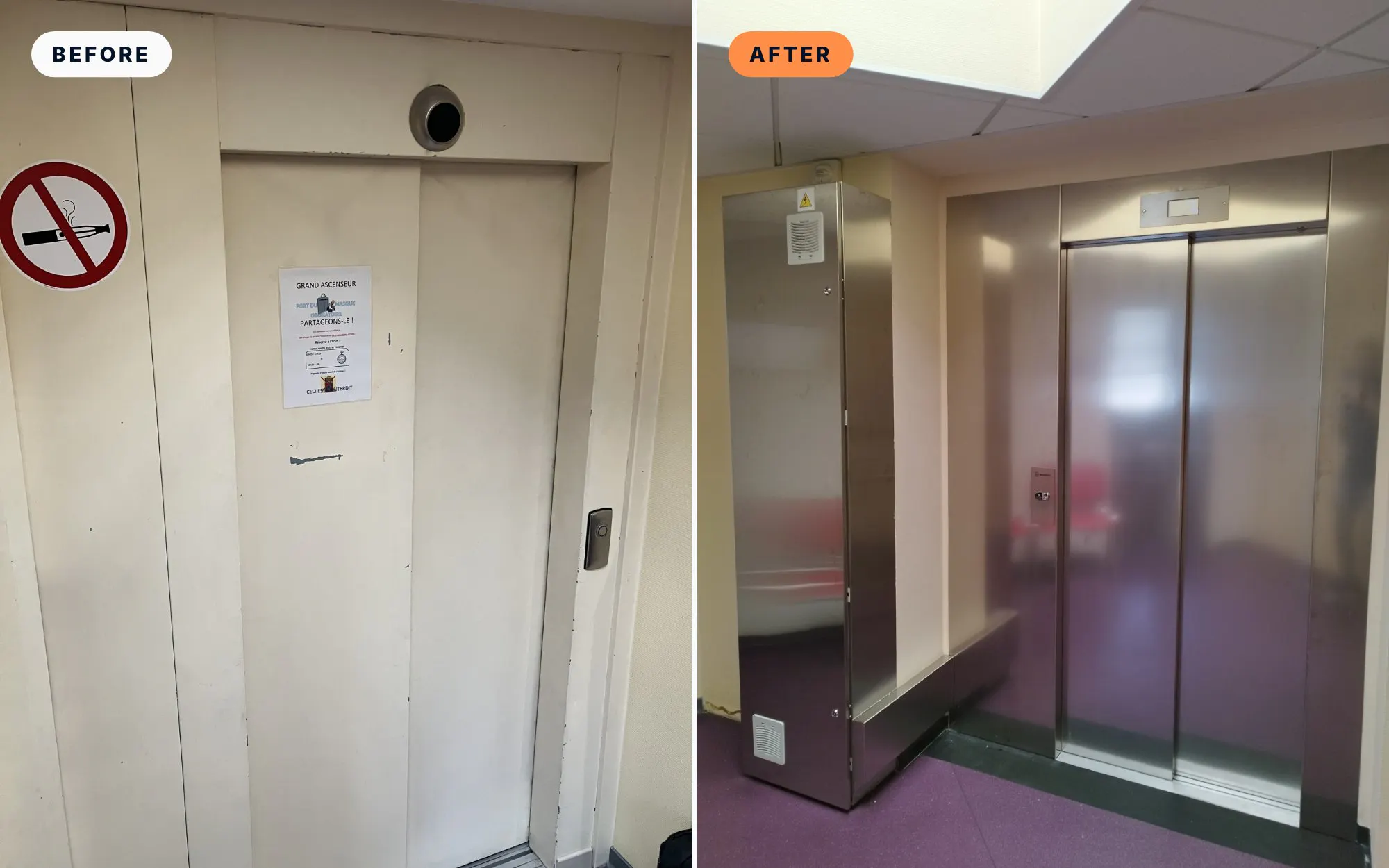
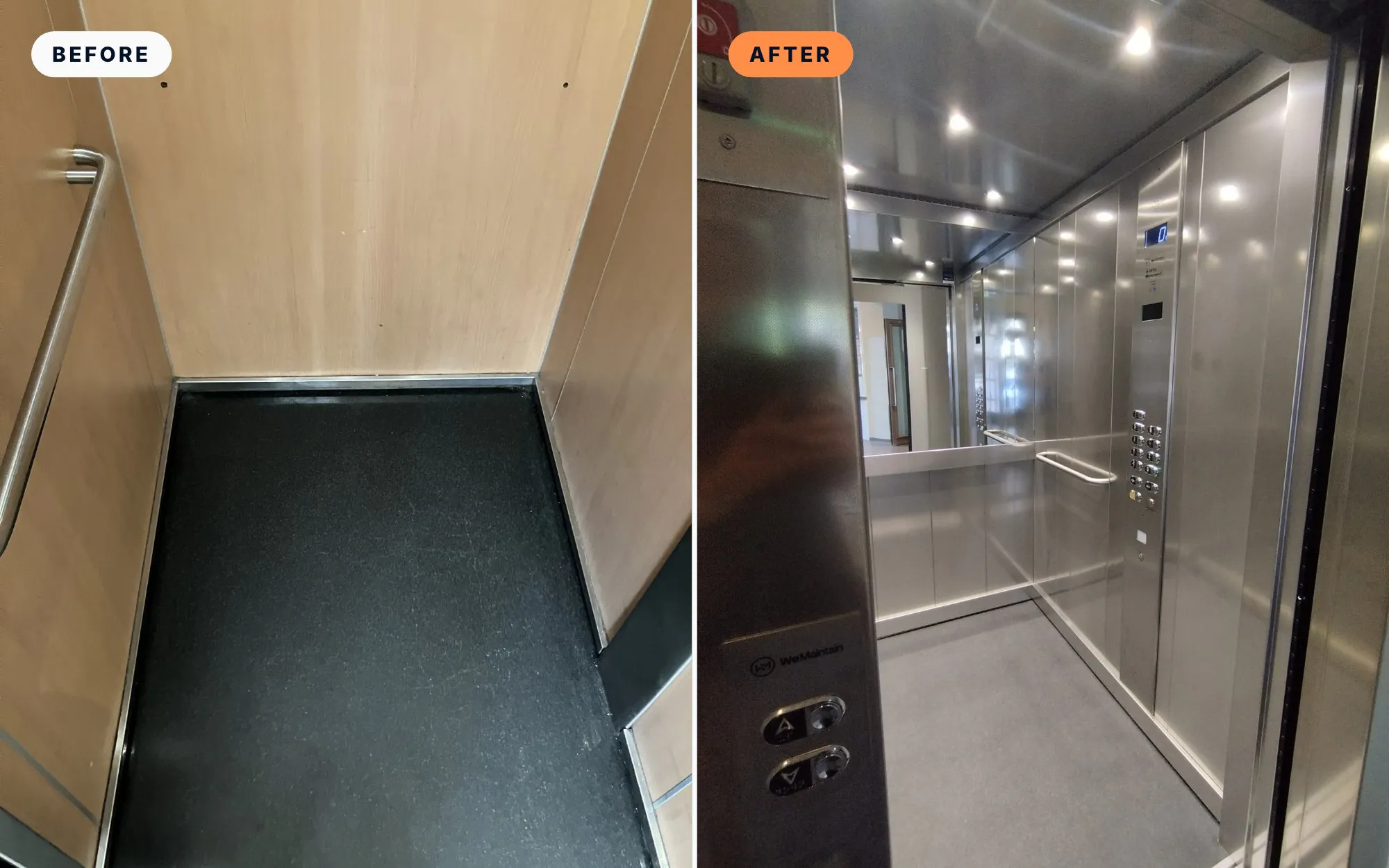
A modernised lift also supports the wider goals of a building. It uses less energy to deliver the same performance, which helps a building move toward the efficiency standards that owners, tenants, and regulators now expect. It also removes many of the components most likely to need reactive repairs, which reduces the number of call-outs a building has to plan for each year.
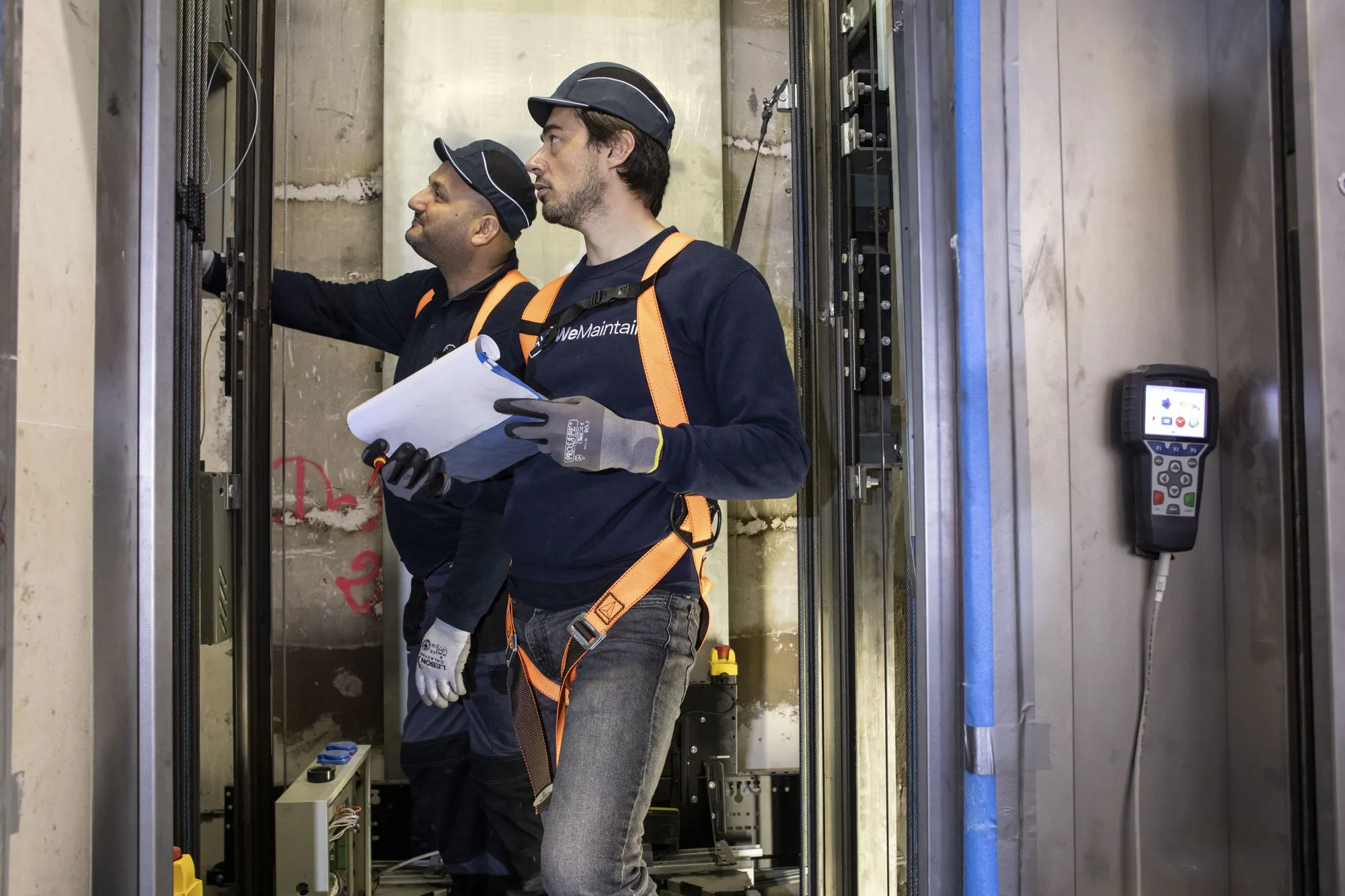
This is where planning ahead pays off. WeMaintain's forward works plan flags units where faults are linked to obsolescence, so a modernisation decision can be made calmly, on a timeline that suits the building, rather than after an unplanned outage. WeMaintain has a dedicated in-house Modernisation Team that manages this process from assessment through to installation, so the people who understand a building's lift history are the same ones planning and delivering the upgrade.
Why an independent modernisation partner changes the outcome
Your building doesn't have a brand. Its lifts may come from several manufacturers, installed at different times. A modernisation plan should start from that reality, not from one manufacturer's catalogue.
An independent, brand-agnostic provider changes three things:
- The recommendation starts from the building. There is no product range to push. The only question is what each lift needs: a targeted upgrade of the controller or doors, a partial modernisation, or a full replacement. Often, keeping sound components and replacing only what is ageing is the better choice.
- You keep your options open. An independent provider can favour components that many engineers know how to service. This avoids locking you into one supplier for maintenance and spare parts for years to come.
- Maintenance and modernisation stay joined up. The team that maintains your lifts knows their fault history. When the same team plans the upgrade, the decision is based on real data from your equipment, not a generic survey.
Planning a modernisation without disrupting occupants
A fair concern often comes up when modernisation is discussed: will the work get in the way of people using the building? A well-planned modernisation is designed to keep this to a minimum. Work is scheduled and phased so that lift access is maintained wherever possible, planned around the building's normal use rather than around convenience for the contractor. That was the approach on a recent full lift install in a Grade I listed building, where the works had to fit around a live, occupied site.
Stephane Middleton, Estates and Facilities Manager at the Bloomsbury Institute, saw this first-hand. The works were planned around exams and important meetings to limit noise, and deliveries were scheduled to fit the building. In his words, the project was "very smooth and flawless". Read his full testimonial. That is the standard a modernisation project should be held to: an upgrade that improves the lift without making life difficult for the people who rely on it every day.
The lesson is simple. A lift that still works is not the same as a lift that still makes sense to keep running as it is. The costs of waiting do not show up in one place, and that is exactly what makes them easy to underestimate. Energy use creeps up, repairs become more frequent, the asset loses value, and compliance risk builds in the background. A forward works plan turns these signals into a clear, well-timed decision, so modernisation happens on the building's terms, rather than as a reaction to a failure.
Thinking about modernising your lifts?
Our Modernisation Team can review your equipment, its fault history and your building's constraints, then help you plan the right upgrade at the right time. Contact us to talk about your project.